Fast and furious: The O-Bahn turns 40

04 Mar 2026

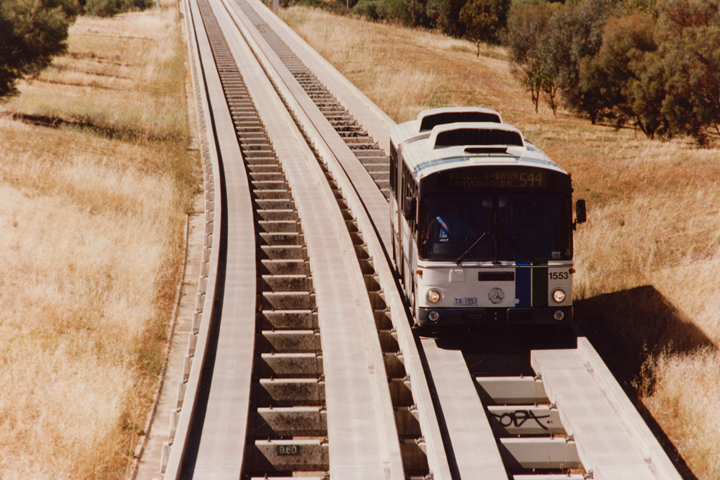
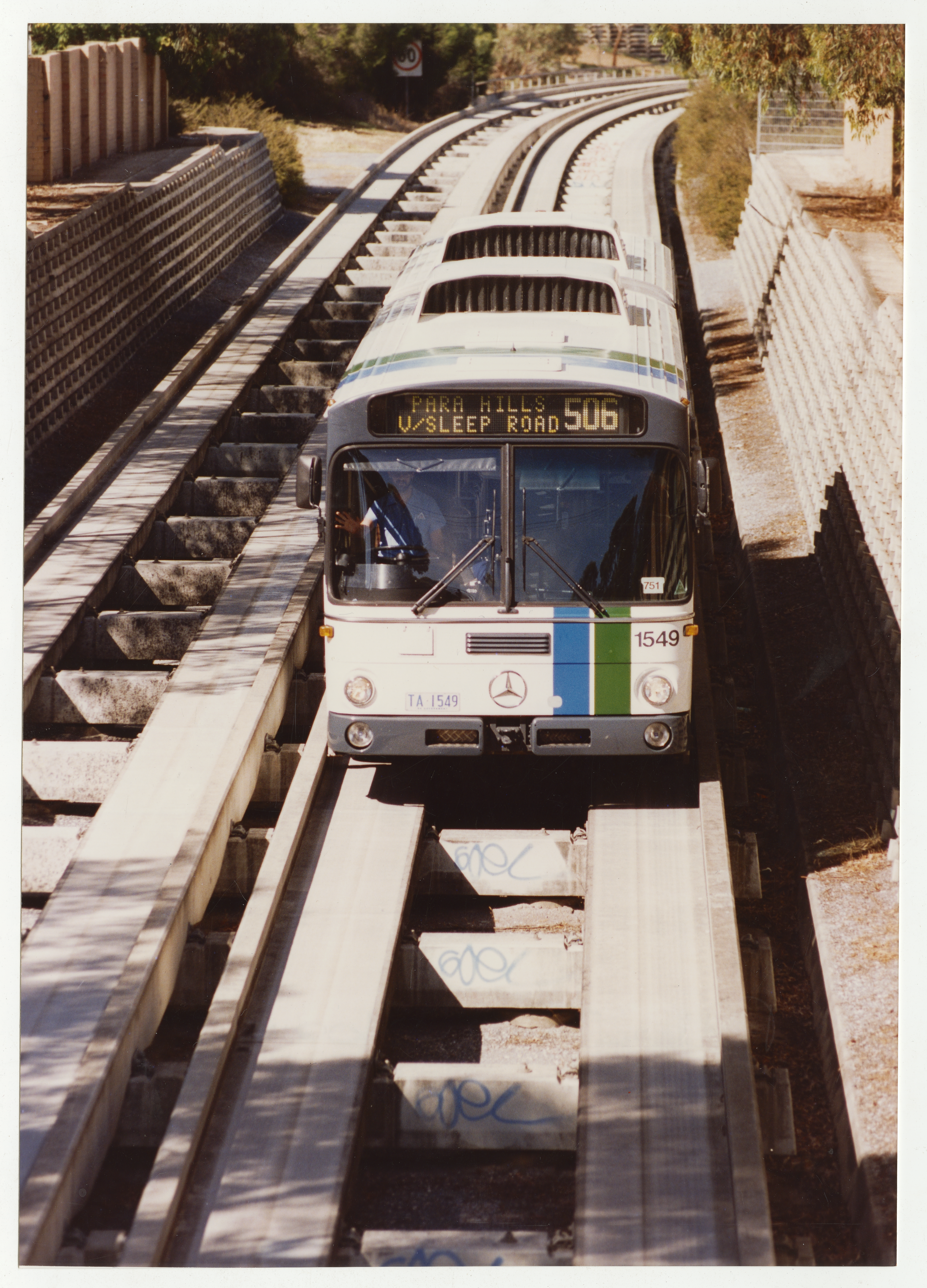
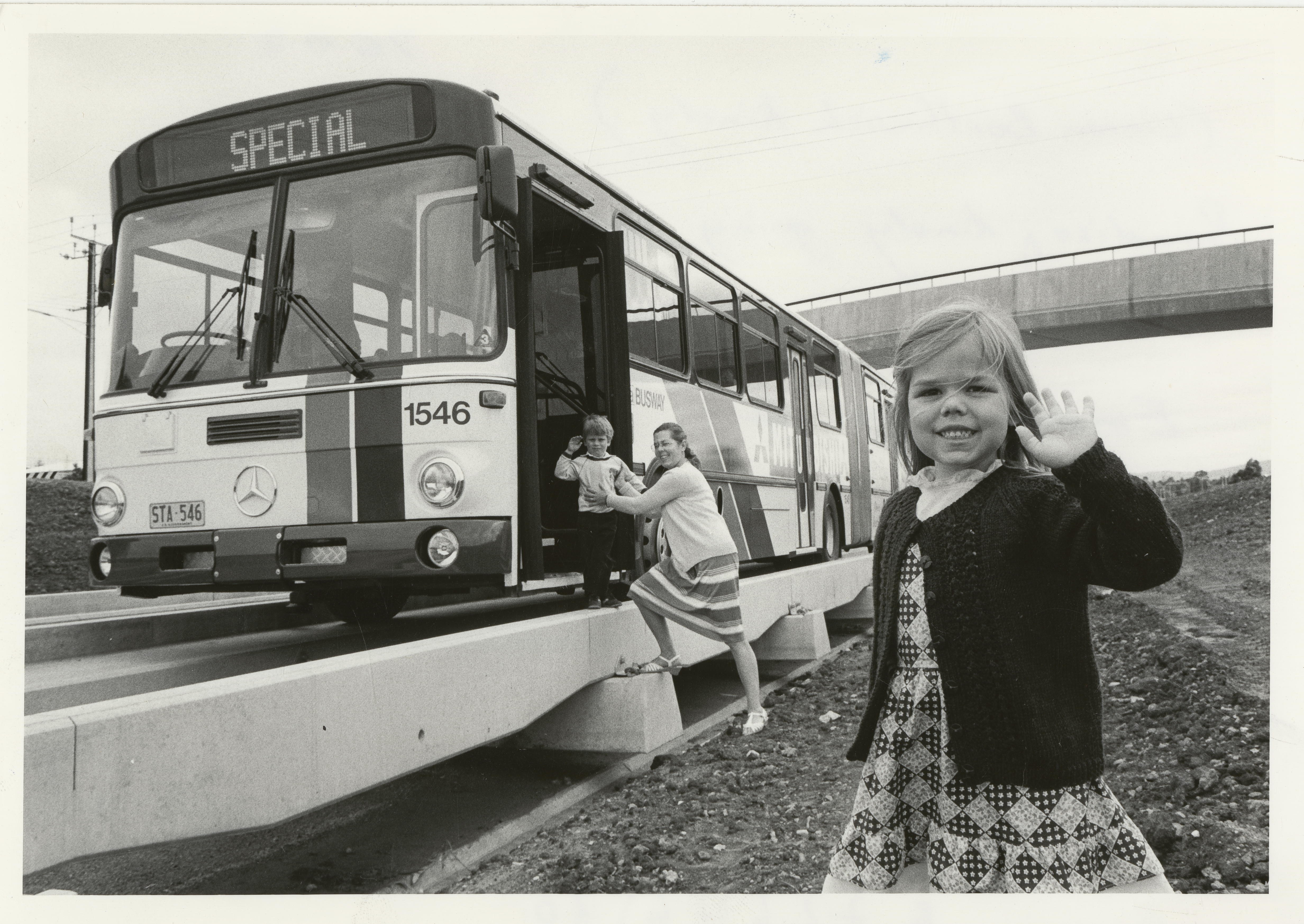
When the first Mercedes-Benz O305 bus glided onto the O-Bahn track on 9 March 1986, the daily commute from Adelaide’s north-east changed forever.

At the time, it was known as ‘the fastest bus in the world’ and 40 years later, it has become a South Australian staple valued as a fast, reliable and efficient service.

Where does the name come from?

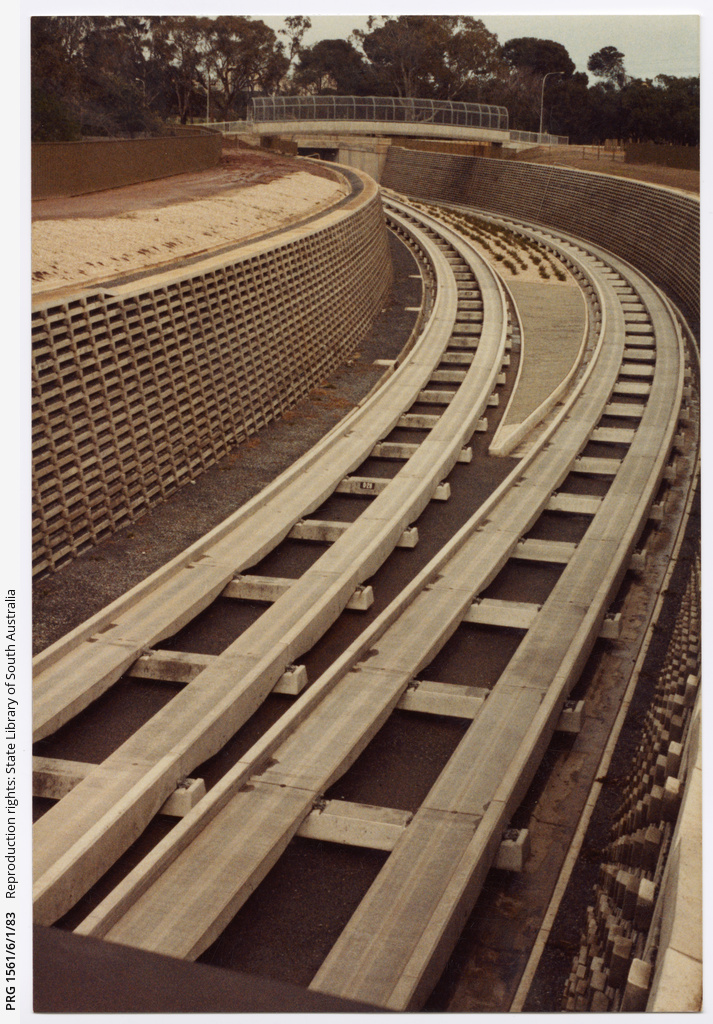
Initially proposed as a light rail in the early 80s, attention quickly turned to the German city of Essen for a quieter and more efficient solution – a guided busway system.

Named after the system developed in Germany, ‘O-Bahn' comes from the German words ‘omnibus’ (bus) and ‘bahn’ (path).

Becoming the second modern guided busway in the world

After the proposal of the O-Bahn project was approved, construction began in 1983. The first section between the City to Paradise via Klemzig was opened in 1986 becoming the second modern guided busway system in the world, behind Essen.

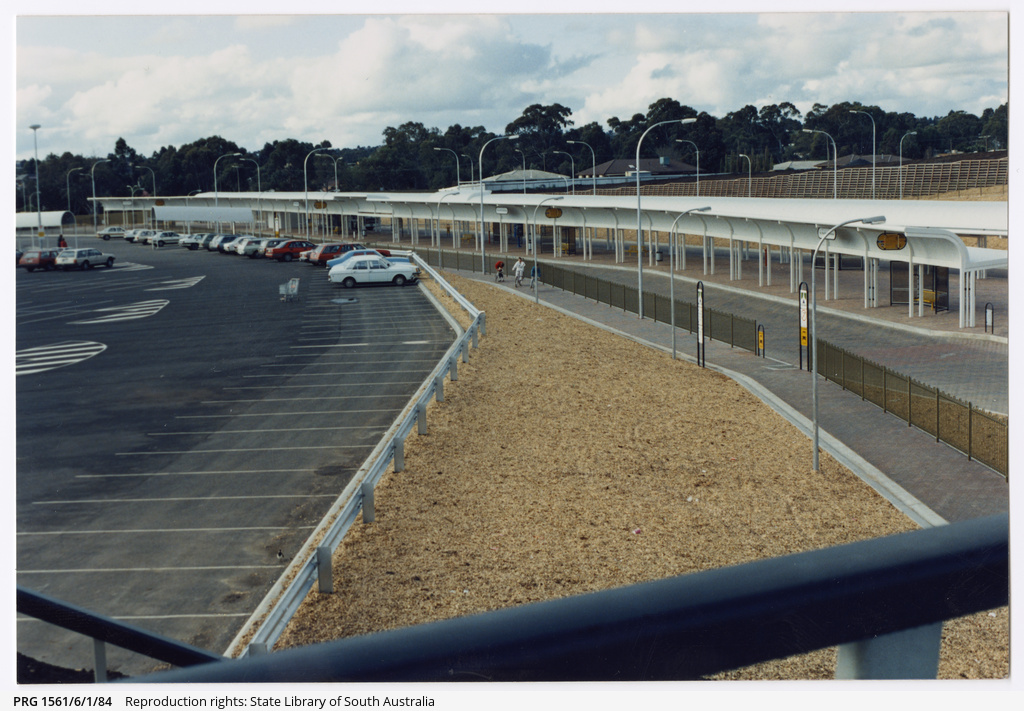
Three years later, an extension to Tea Tree Plaza opened in 1989, totalling to 30 new bridges constructed along the 12km route.

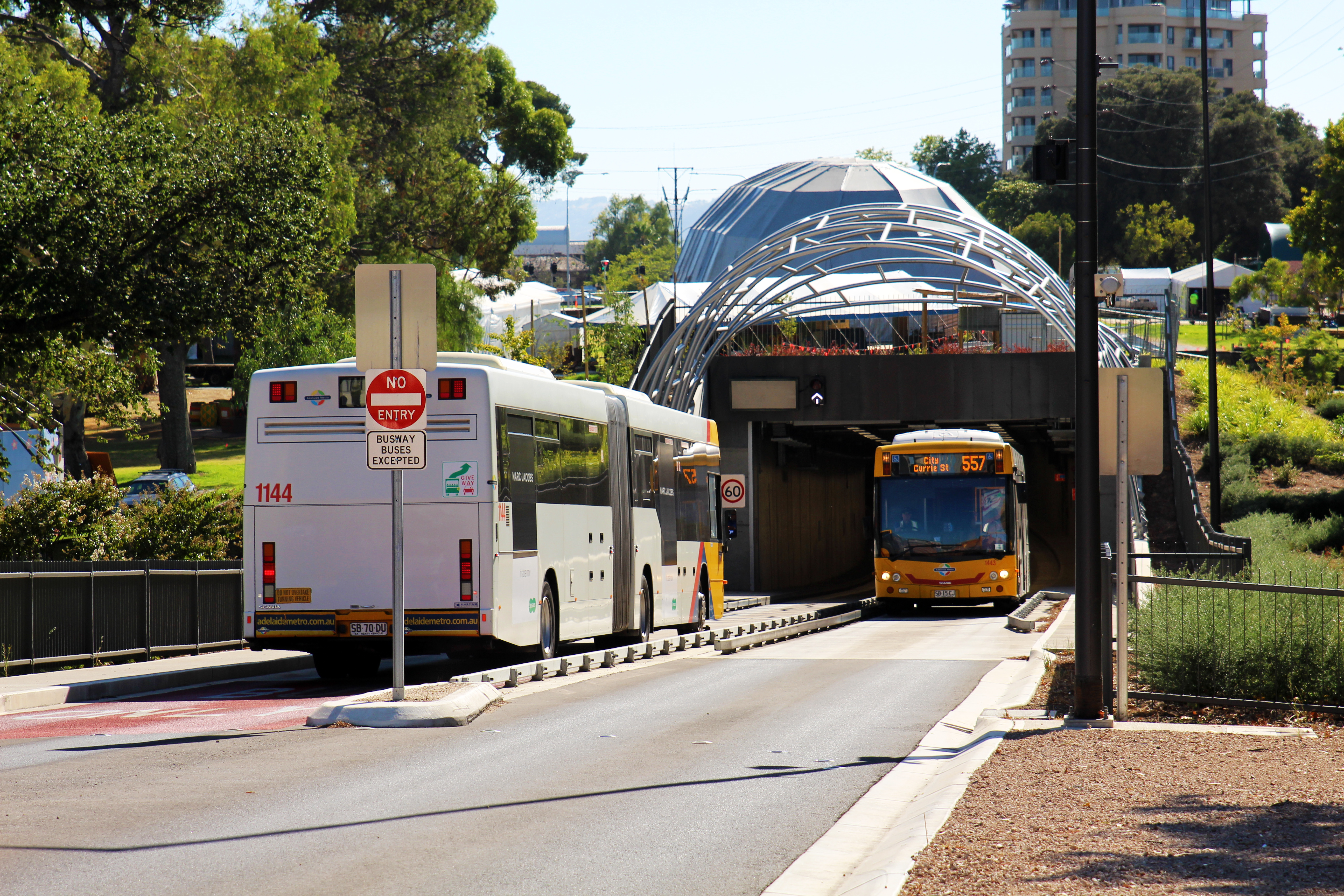
In 2017, the third and final stage of the O-Bahn was completed with an extension from Gilberton into the city. A new 670 metre tunnel was constructed providing a quicker and more reliable access for buses into the city.

This meant the O-Bahn became the first guided busway in the southern hemisphere to take passengers 15km from Tea Tree Plaza to the city centre in under 20 minutes.

Today, only four guided busway systems are in operation around the world. This includes Essen, Adelaide, Nagoya (Japan) and Cambridgeshire (England).

From first service to today

The first buses entered service along the O-Bahn in 1986 and at the time, revolutionised travel into the city. Travel times were cut almost in half for more than four million passenger trips a year.

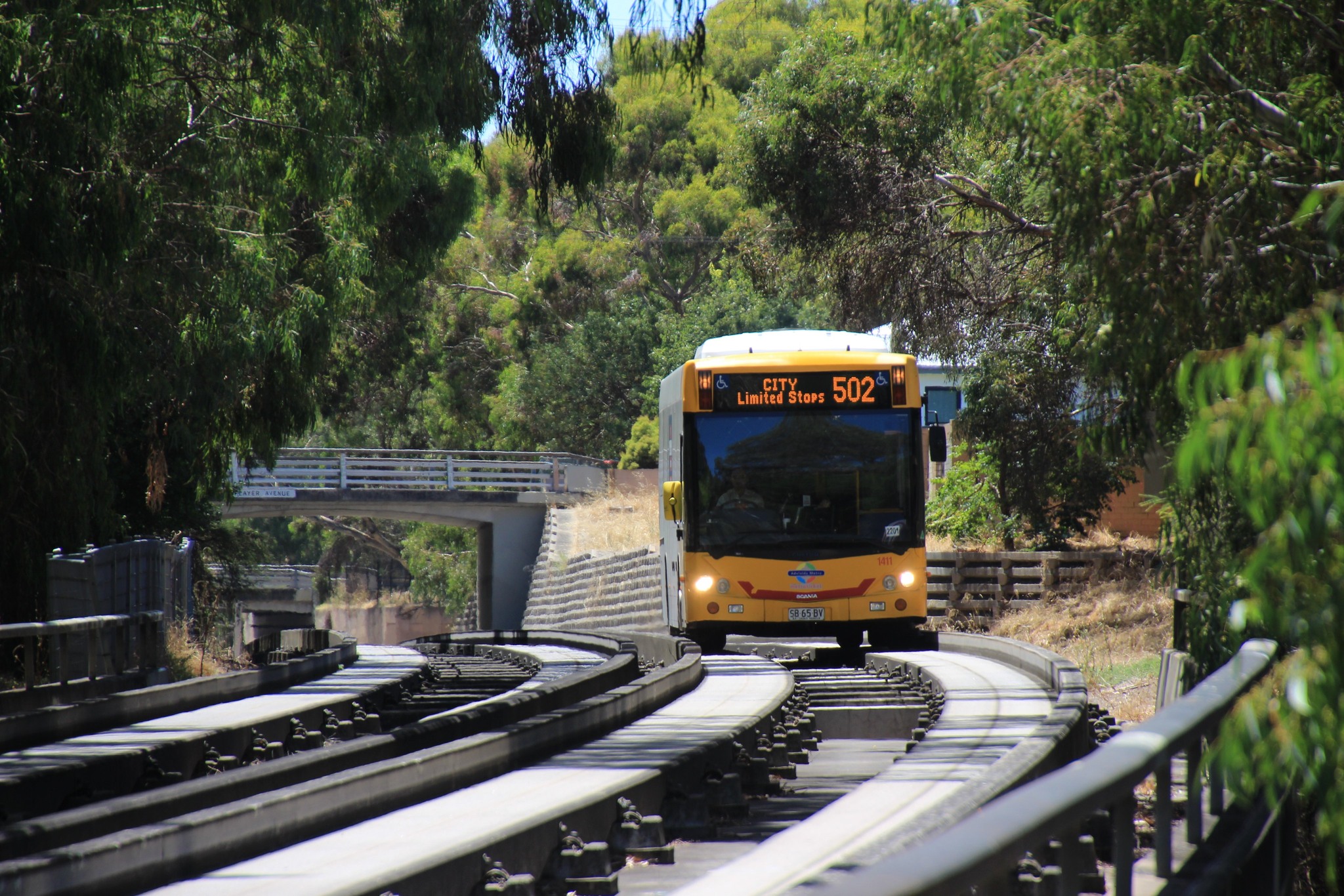
The Mercedes-Benz O305s were the first buses to enter the tracks, later replaced by Scania buses that make up the 188-fleet today.

Fast forward 40 years, the O-Bahn is Adelaide’s most used public transport corridor. The service averages 30,000 validations every day, supporting 892 services each weekday. Three interchanges are located in the north-east, with 2,250 car spaces for Park ‘n’ Ride services.

On average, between the peak hours of 7:00 am to 9:00 am there is a bus heading towards the city every minute on the O-Bahn.

The O-Bahn has become part of Adelaide’s cultural identity like stobbie poles, smiley fritz and frog cakes. 40 years on, we celebrate its iconic legacy and the value of fast, reliable and efficient service.